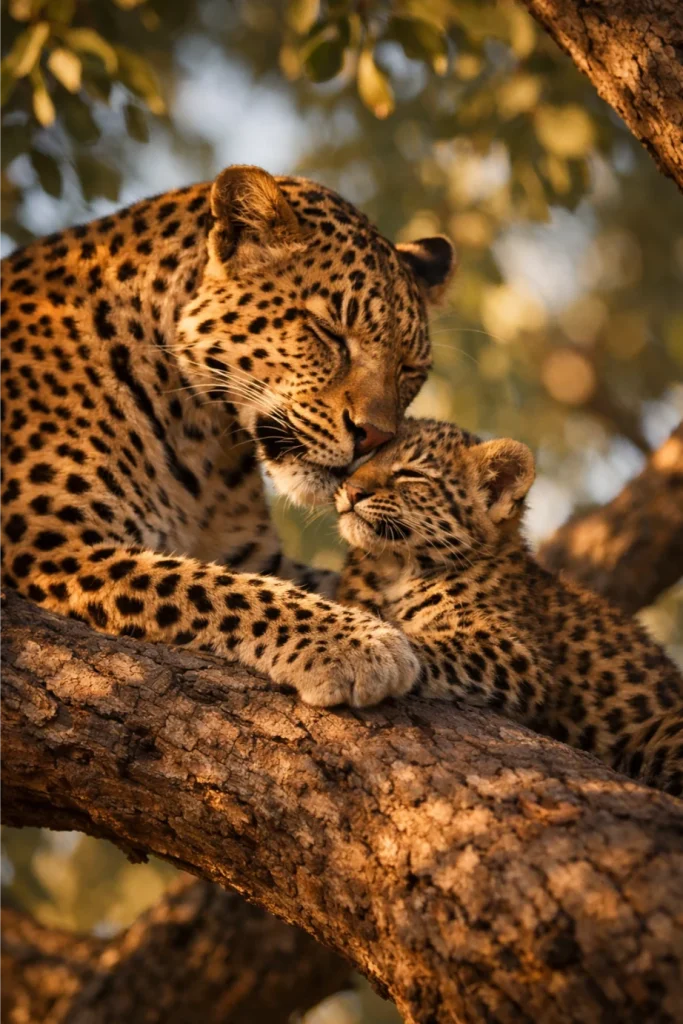
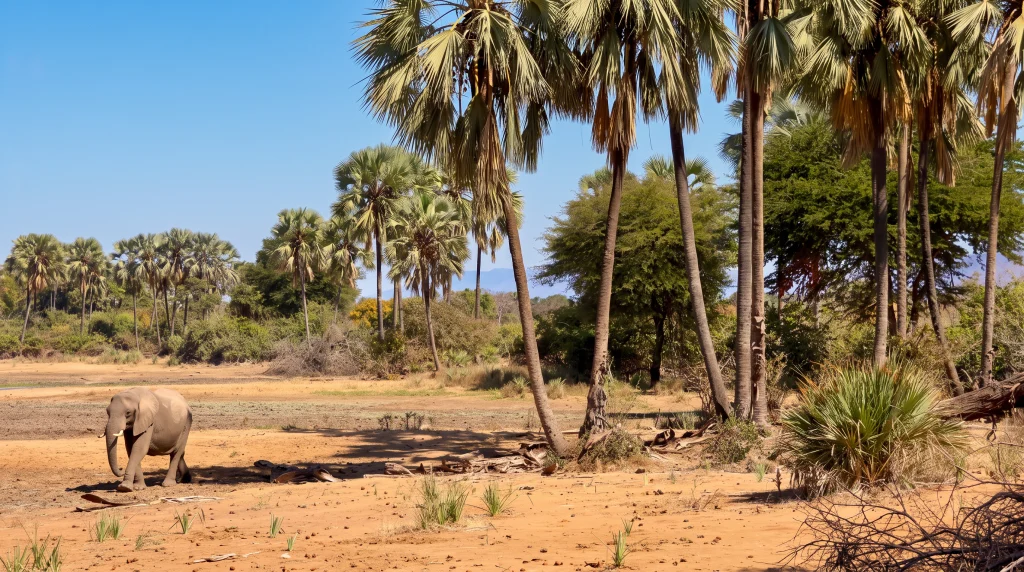
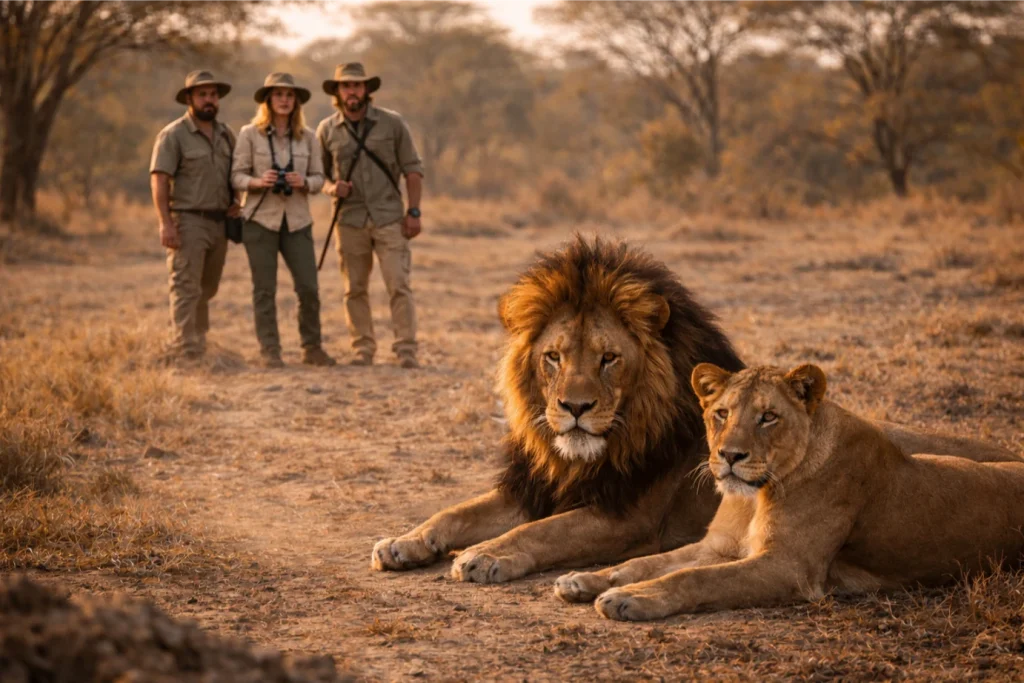
Technology has always played a role in how we experience travel. Today, however, artificial intelligence is beginning to influence not just how safari travel is marketed, but how it is understood and that shift deserves careful attention.
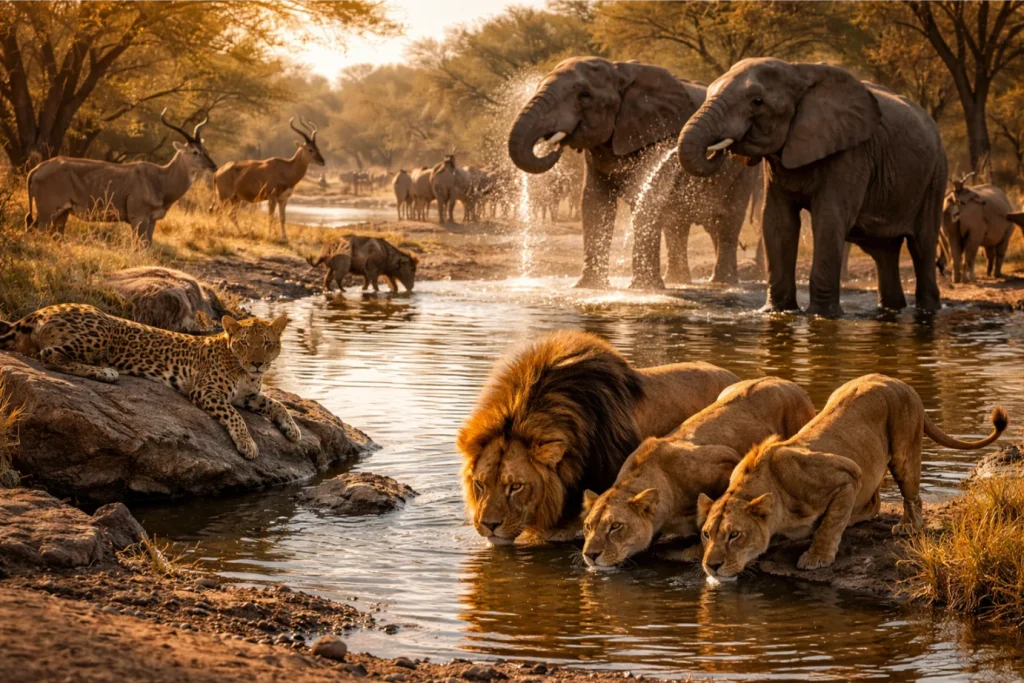
AI-generated photography and videography can now produce flawless wildlife encounters: perfectly timed hunts, ideal lighting, unobstructed sightings and seamless sequences created instantly. While visually impressive, these images present a version of safari that is highly curated and, in many cases, entirely unlikely.
The reality of a safari is very different.
Wildlife viewing has traditionally relied on experience, intuition, patience and a deep understanding of animal behaviour. Guides and trackers read the landscape, follow subtle signs and make educated decisions without ever knowing what the outcome will be. Sometimes the reward is extraordinary; sometimes the bush offers very little. That uncertainty is not a mistake – it is the essence of the experience.
As AI-driven imagery becomes more prevalent, it risks reshaping expectations in ways that are problematic for both guests and the industry. When wildlife is presented as consistently predictable and visually perfect, travellers may arrive expecting immediate results: sightings on demand, ideal angles and cinematic moments delivered on schedule.
When those expectations are not met (as is often the case) frustration can follow.
This pressure filters down to guides and trackers, whose role is not to manufacture experiences, but to facilitate ethical and respectful encounters with wildlife. In extreme cases, it can also compromise conservation principles, encouraging closer approaches, extended viewing times or unnecessary interference in order to “deliver” an expected moment.
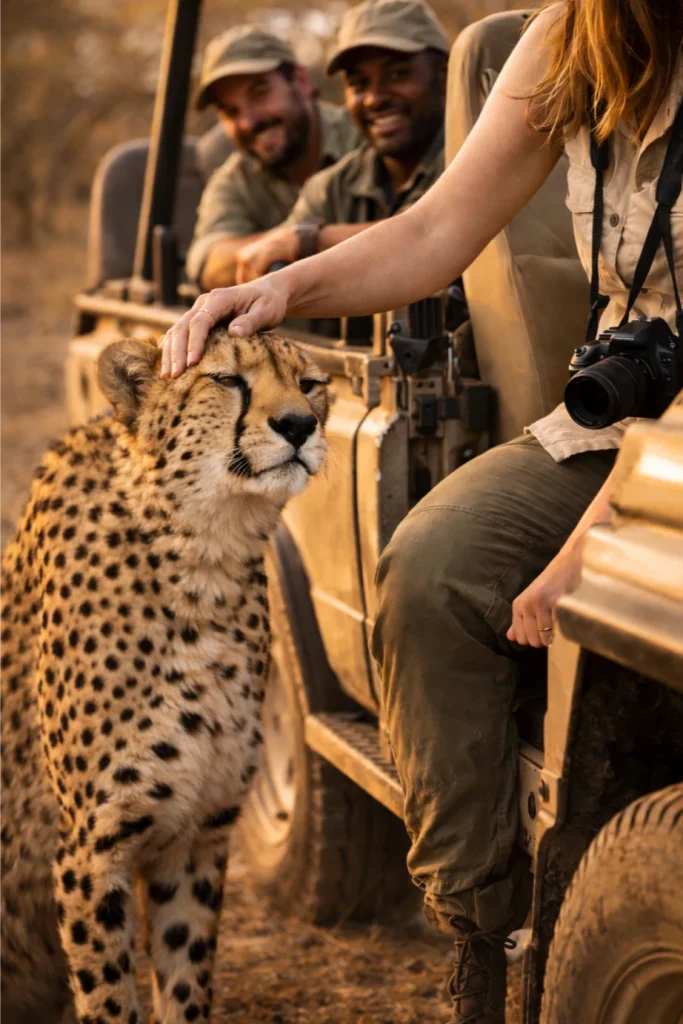
Wildlife viewing was never meant to be transactional.
It is a privilege to enter wild spaces, not a guarantee of performance. The most meaningful experiences often come from what cannot be planned: a fleeting glimpse, a long wait rewarded unexpectedly or the quiet understanding that you are observing life unfolding on its own terms.
As travel designers and operators, we believe there is a responsibility to protect this perspective. We must be honest about what safari travel truly is, and deliberate about how it is represented. This means favouring authenticity over embellishment, context over perfection and education over expectation.
At BAYA AFRICA, we choose to work with partners who share this philosophy – properties and guides who prioritise conservation, ethics and genuine experiences over curated outcomes.
In an age of artificial imagery, real moments matter more than ever.
Safari should remain what it has always been: unpredictable, humbling, and deeply rewarding – not because everything goes to plan, but because nothing is staged.